Most of the expensive repairs we get called out for started as something small that nobody spotted. A blocked gutter, a bit of loose flashing, a hairline crack that filled with water and froze. Twenty minutes a season is the best return on effort in owning a home.
Spring: find what winter broke
Once the snow has gone, walk the whole property and look for damage that happened while you weren't watching.
- Gutters and downspouts. Clear out what autumn left and check the water is carried well away from the foundation. Water sitting at the foundation is behind a lot of basement problems.
- Roof, from the ground. Binoculars are fine. Look for lifted, cracked or missing shingles and damaged flashing around the chimney and vents.
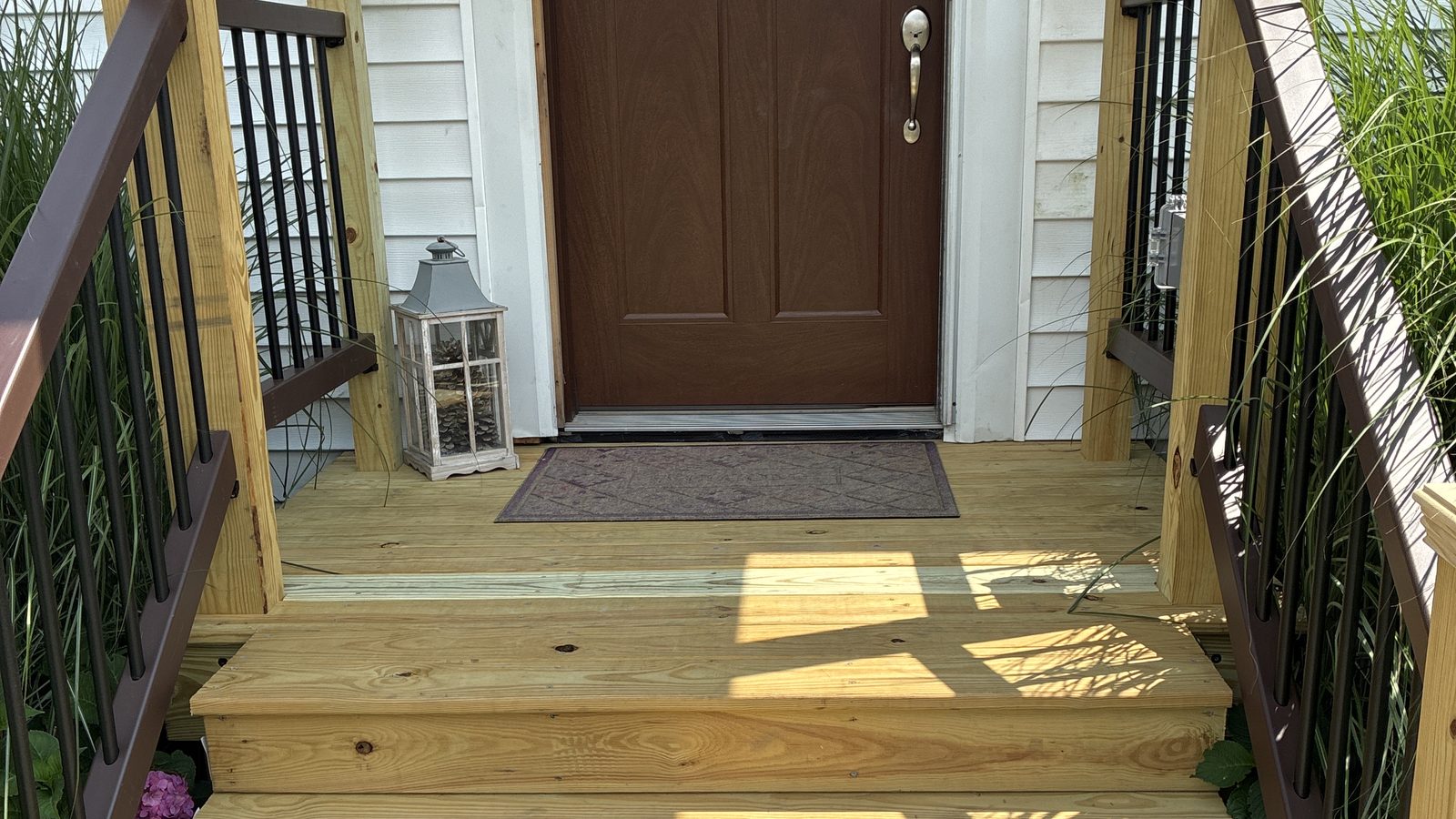
- Decks, porches and steps. Check boards for soft spots, push on the railings, and look where the posts meet the ground.
- Concrete and walkways. Freezing widens cracks a little more every year. Sealing a small crack is cheap. Replacing a lifted slab isn't.
- Caulk and trim. Check around windows and doors for gaps and failed caulk. That's where water and draughts get in.
Summer: build, paint and seal
Long dry spells make summer the right time for outdoor work that needs good weather to cure.
- Paint and stain. Deck stain and exterior paint need dry days and mild temperatures.
- Fence work. Reset loose posts, replace damaged boards and re-hang sagging gates while the ground is easy to dig.
- Power washing. Siding, walkways and decks. Cleaning the grime off also lets you see the condition of what's underneath.
- Doors and windows. Sort anything that sticks and replace worn weather-stripping now, so it isn't a January problem.
- Grading. Make sure the soil slopes away from the house. Easy to fix in summer, impossible in February.
Autumn: get ahead of the freeze
This is the important one round here. Everything you do now is about keeping water out before it turns to ice.
- Gutters again, once the leaves have finished dropping. Blocked gutters mean ice dams, and ice dams mean water in your walls.
- Shut off and drain outdoor taps and disconnect the hoses. A frozen spigot is one of the more common winter failures, and one of the messiest.
- Seal gaps and cracks in siding and trim. Mice are looking for a way in, and so is cold air.
- Check the roofline and flashing once more before the weather sets in.
- Trim branches hanging over the roof or drive before snow brings them down.
- Test railings and steps. These become a safety problem the moment they're icy.
Winter: watch and react
- Watch for ice dams at the roof edge and icicles on the gutters. Both mean heat is escaping into the attic.
- Check for draughts at outlets, windows and doors. Winter is when you can actually feel them.
- Look for ceiling stains after heavy snow or a thaw, which point to a roof or ice dam leak.
- Get indoor jobs done. Drywall, painting, trim and shelving. It's the right season for it and tradespeople are easier to book.
Clean your gutters twice a year, spring and late autumn. Nothing else on this list prevents as much expensive damage for as little effort.
What to hand over
Plenty of this is easy enough to do yourself. Anything involving ladders, roofs or structural repairs is worth handing to someone who does it every day. That's exactly the sort of seasonal work we take on, and it's usually quicker and cheaper than people expect.